
Miva Collective
Unifying a Fragmented Wellness Ecosystem
Miva Collective — Music, Arts & Wellness platform overview
Problem
Users could not navigate or understand how Miva Collective's experiences connected, resulting in fragmented engagement across platforms. Content lived across podcasts, events, blogs, and merchandise—but without a central structure: • No clear entry point for new users • Disconnected experiences across platforms • Users forced to "bounce" between channels • Brand mission diluted by lack of cohesion Core failure: Users couldn't move between experiences in a meaningful way, leading to shallow engagement and confusion.
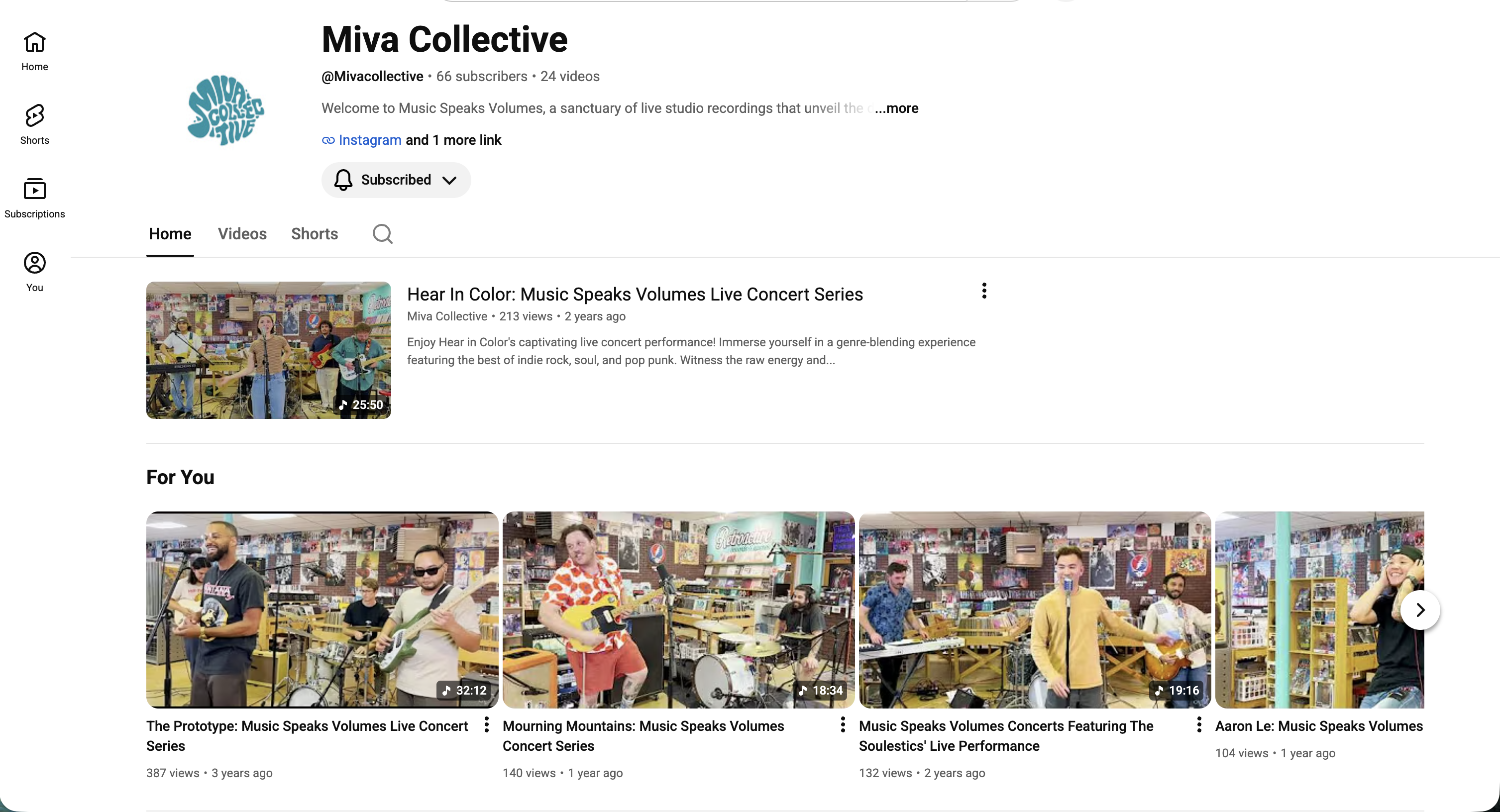
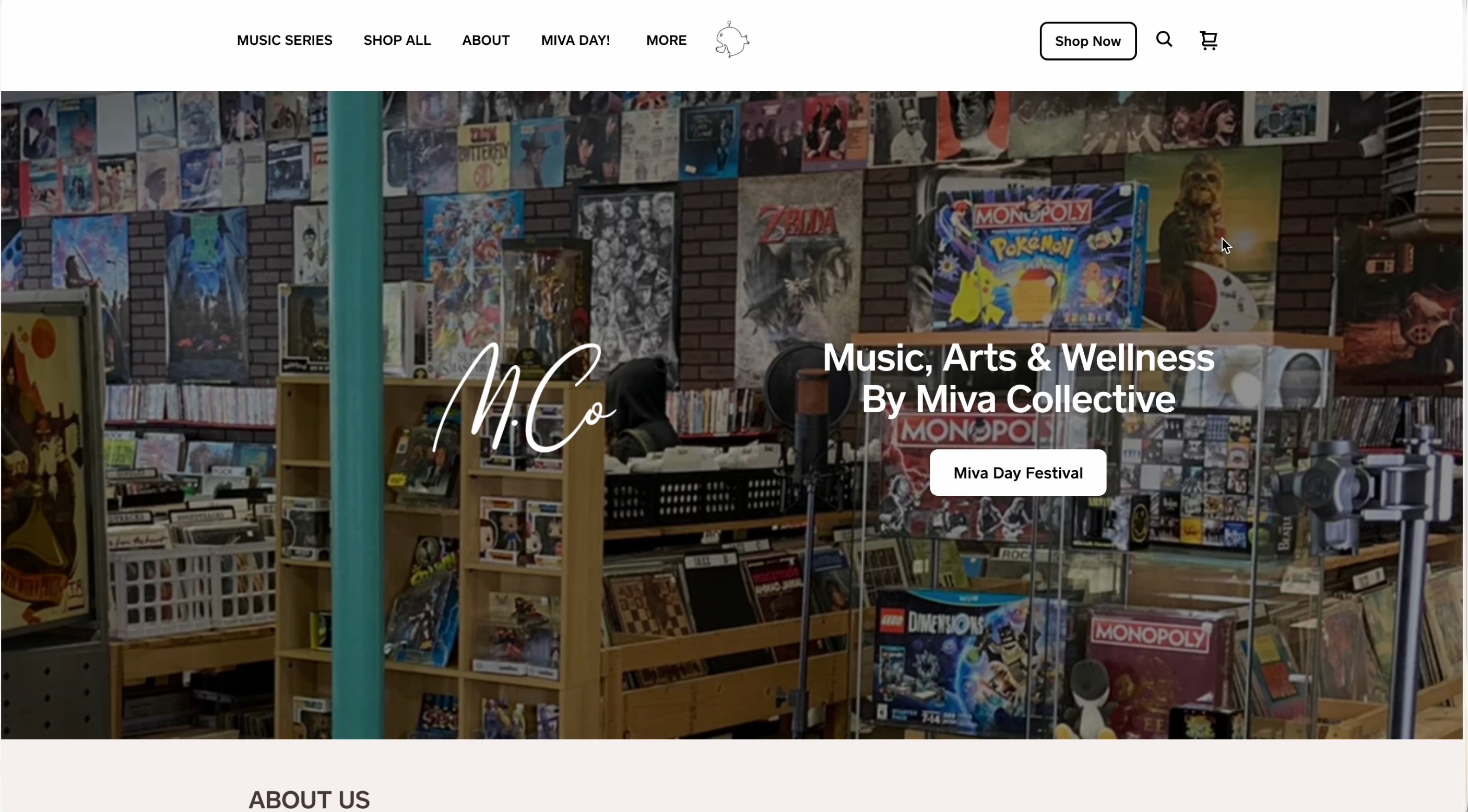
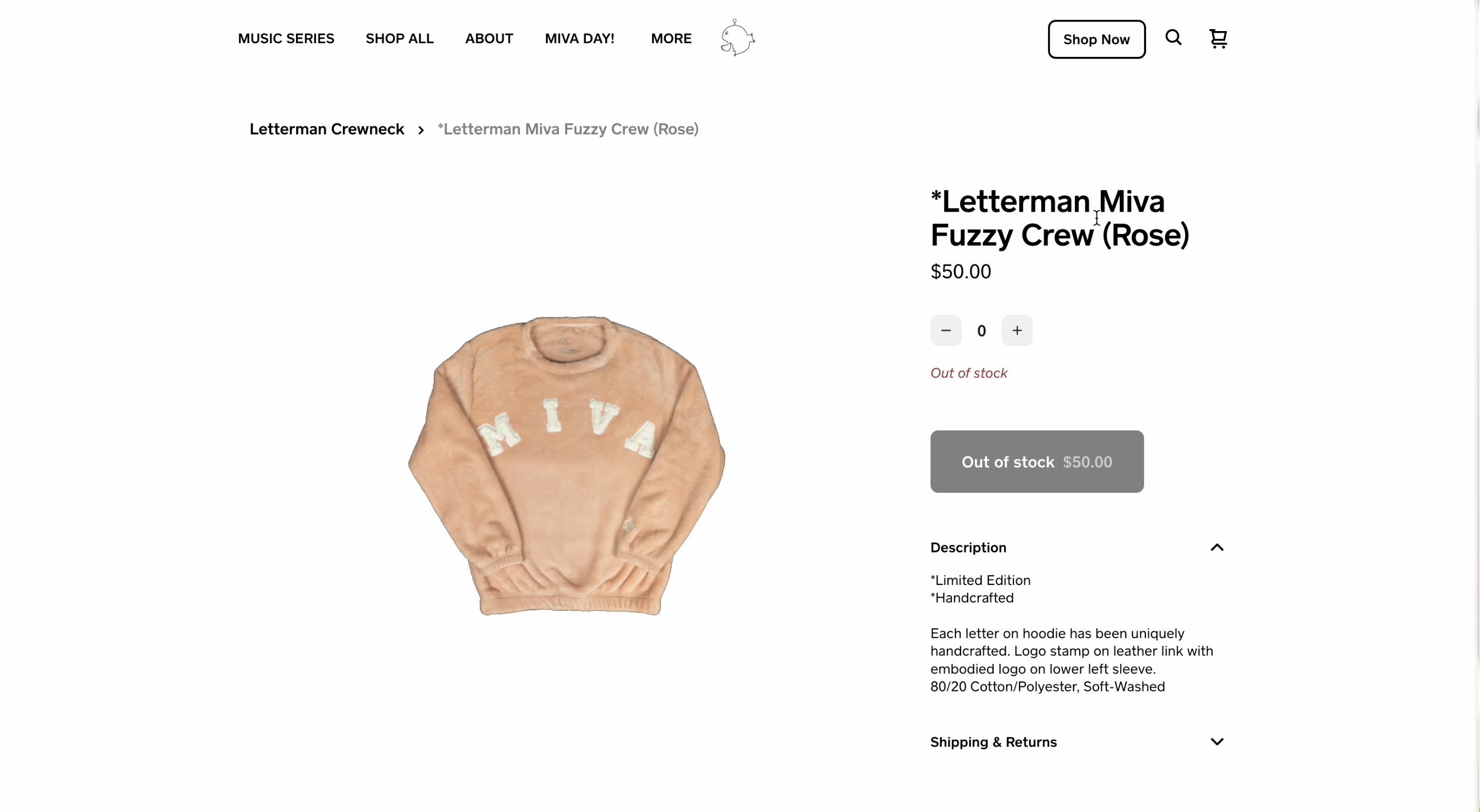
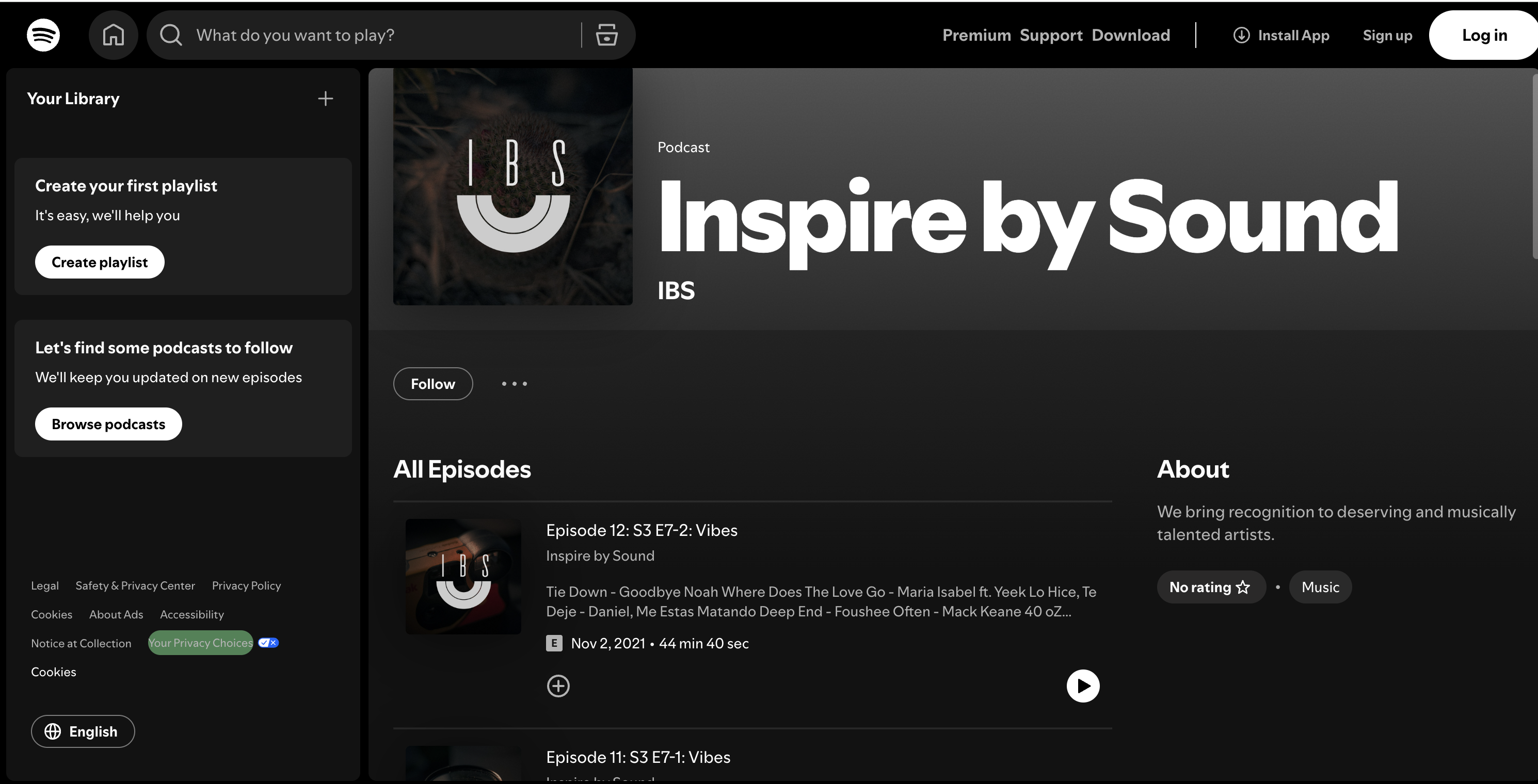
Before: Content fragmented across YouTube, standalone website, separate e-commerce, and Spotify — no unified entry point
Primary User
Mental health seekers in modern creative culture • Looking for relatable, non-clinical wellness content • Prefer low-pressure, culturally relevant entry points • Often explore through music, storytelling, and media—not formal resources
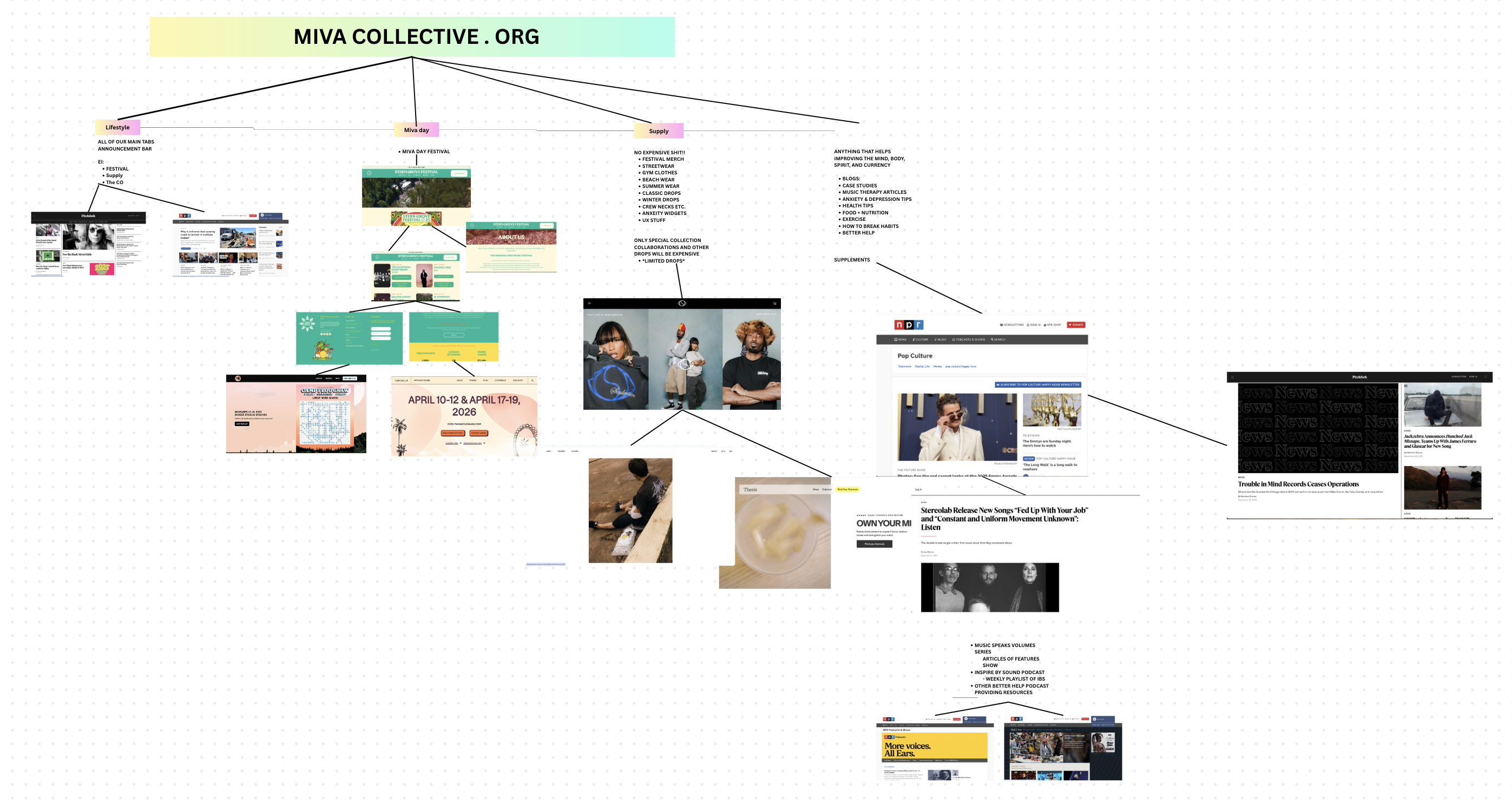
Information architecture: Three-pillar ecosystem (Lifestyle, Miva Day, Supply) with all content types and sub-pages mapped
Key Design Decision
Content-first experience (Editorial as the front door) Instead of pushing events or merch, the platform leads with: • Articles on anxiety, depression, and balance • Music-driven wellness exploration • Short-form, digestible content
Constraints
• Inconsistent content quality — Outdated and republished material • No clear brand hierarchy — Multiple initiatives without structure • Overlapping content themes — Topics blending across categories • Limited content pipeline — Difficulty sustaining fresh, authentic content • CMS limitations (Webflow) — Required scalable structure without frequent redesigns These constraints forced a focus on: Clarity, scalability, and content organization over visual complexity.
Options Considered
Option A — Festival-First Platform Position events as the primary experience. Pros: High energy, monetization potential. Cons: Excludes users not ready for live engagement. Option B — Commerce-First (Apparel-Led) Lead with merch inspired by streetwear culture. Pros: Immediate revenue opportunity. Cons: Weak connection to mental health mission. Option C — Content-First Ecosystem (Chosen) Lead with editorial content as the core identity. Pros: Aligns with mission, low-pressure entry point, builds trust before monetization. Cons: Delays revenue opportunities, requires consistent content production.
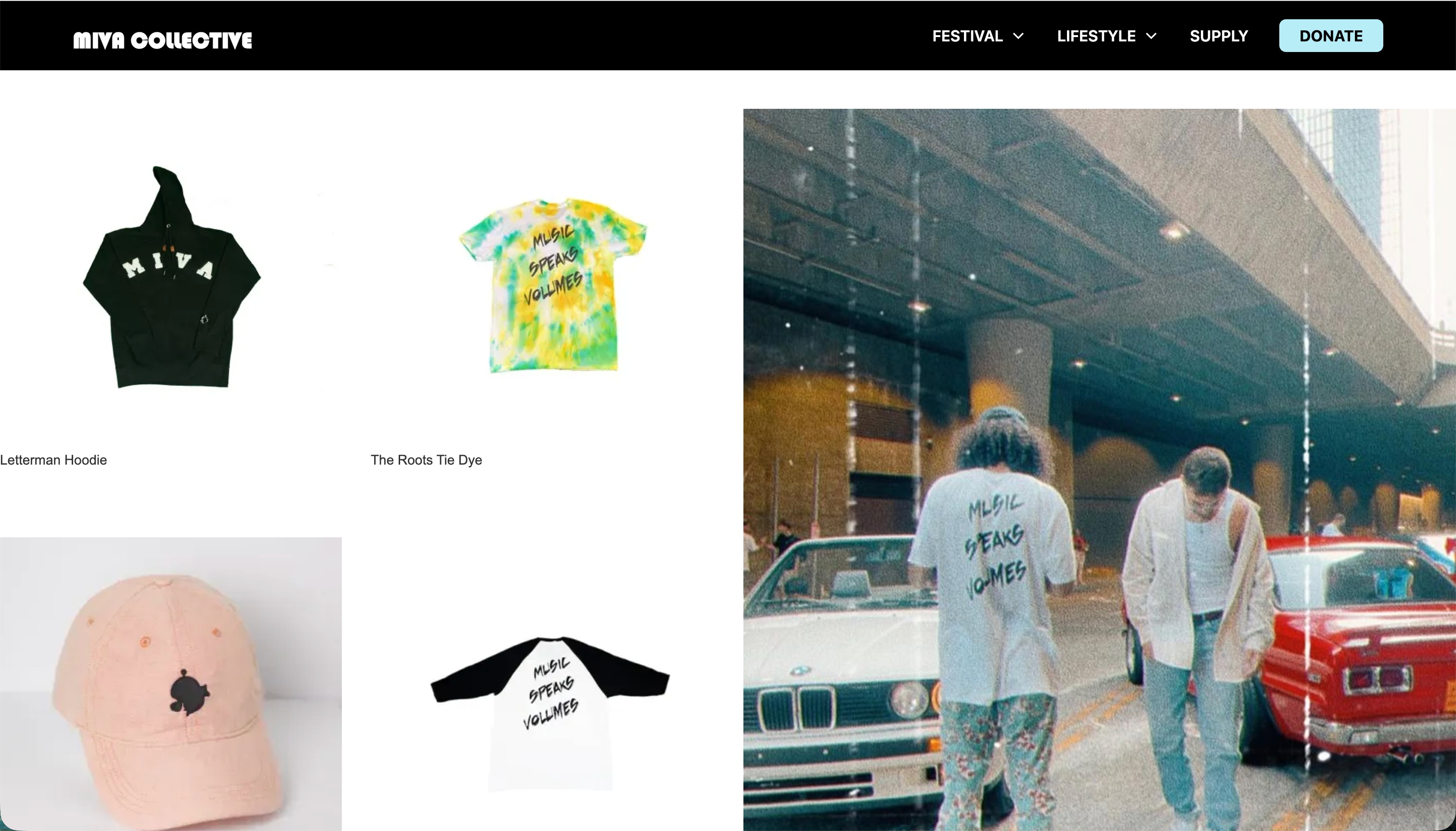
Supply / Merch as Entry Point
If people saw the product before the purpose, we already lost the story.
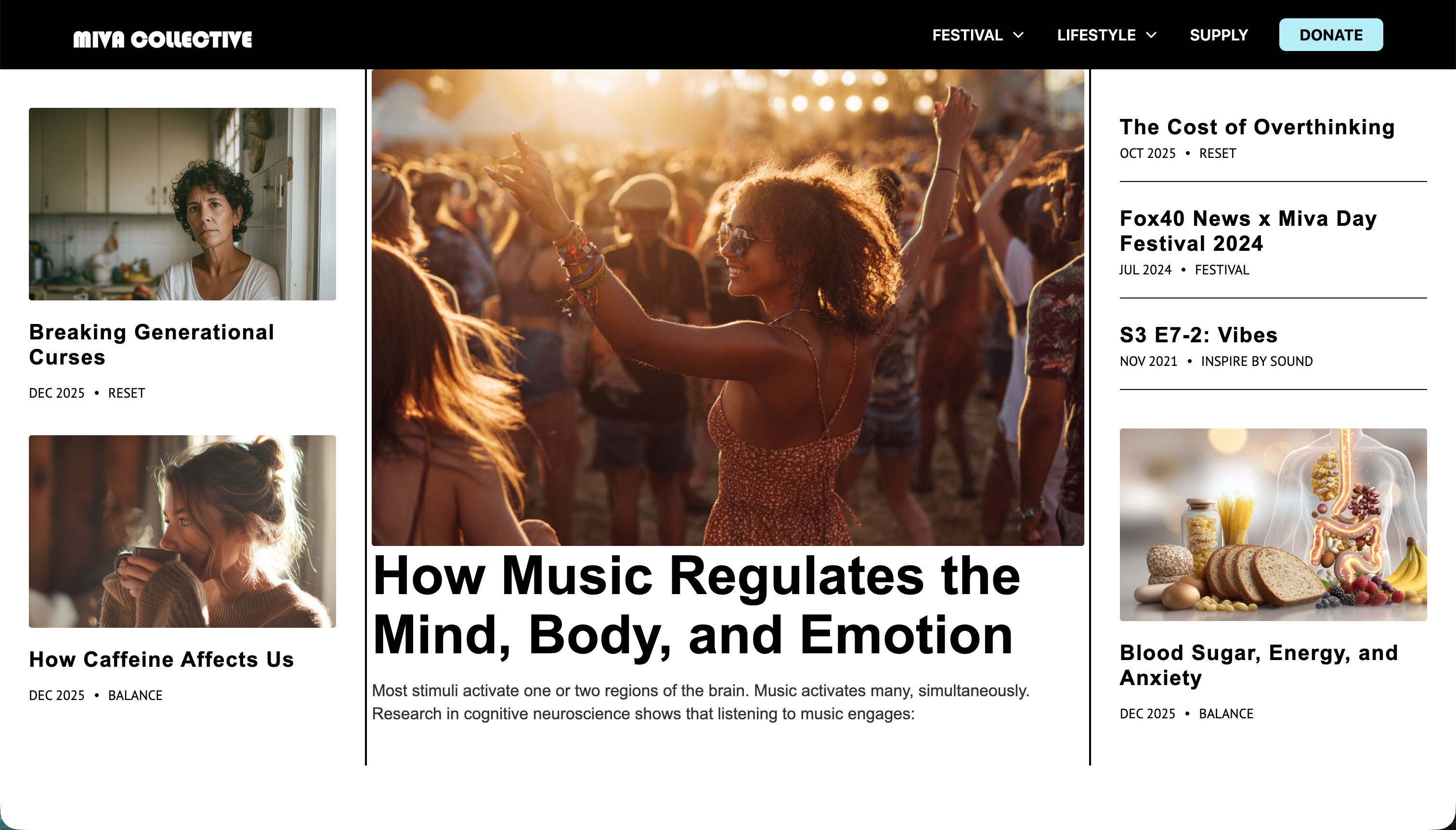
Editorial / Blog as Entry Point
Content became the emotional foundation of the experience. Once people connected with the mission, everything else felt more organic.
Tradeoff 1: Merch-first vs. Editorial-first as the platform front door
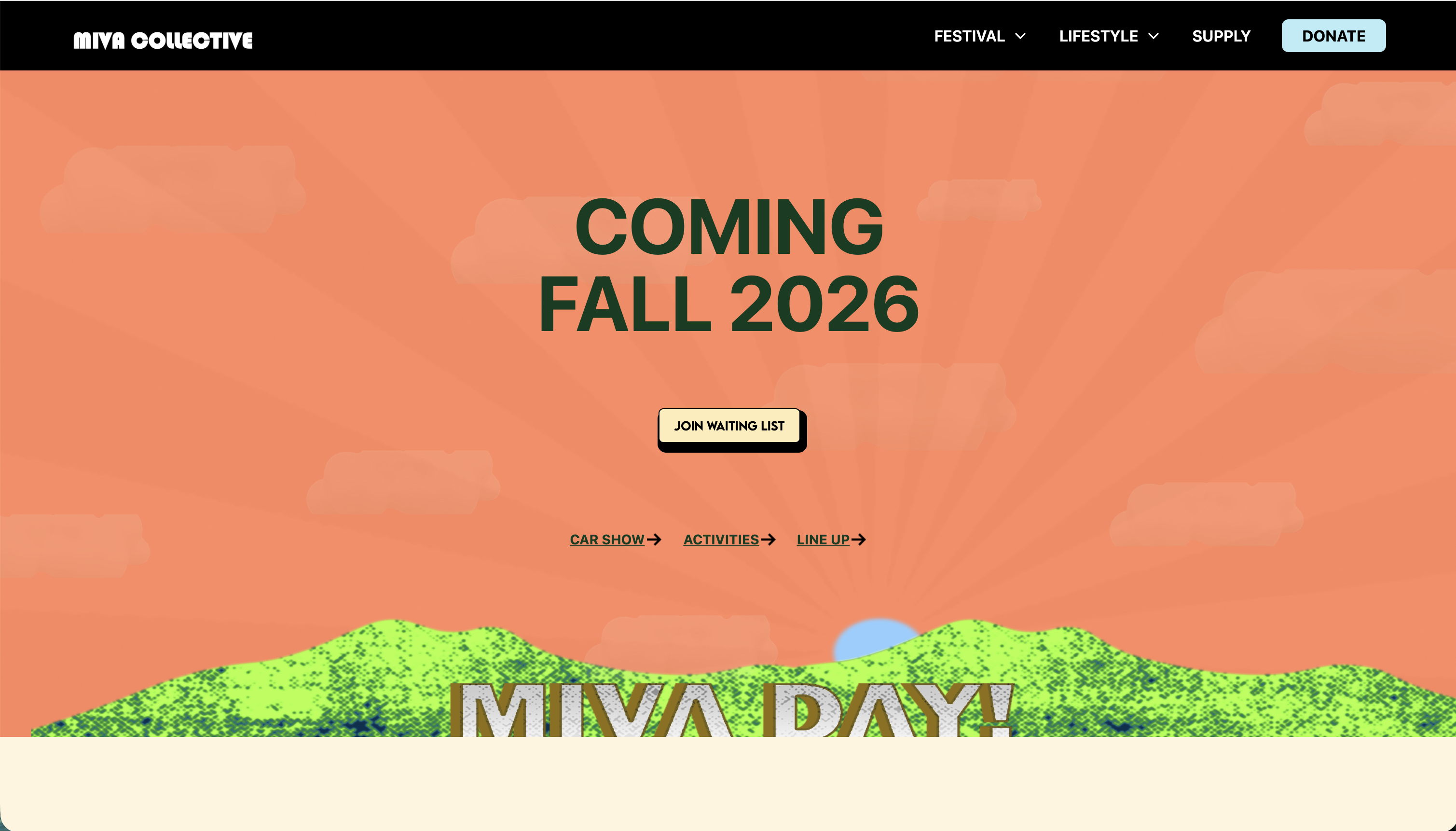
Festival / Miva Day as Primary Identity
The festival was powerful for visibility and community, but leading with it made the experience feel temporary.
Content-First Ecosystem
Content became the foundation. Products and events became extensions of the relationship, not the reason for it.
Tradeoff 2: Festival-first vs. Content-first as the primary identity
Tradeoffs
• Content-first approach → Delayed ROI from merch and events • Lifestyle framing (non-clinical wellness) → Risk of being perceived as "less serious" or unclear • Cultural inspiration (music, festivals, streetwear) → Risk of feeling inauthentic or "trying too hard" • Simplified ecosystem structure → Some content overlap across categories Strategy: Build trust and engagement first—monetization follows.
Three-Pillar Ecosystem Structure
To reduce complexity, the platform was consolidated into three pillars: Lifestyle (Core) — A content hub for wellness exploration through: Mood (mental health), Fuel (physical health), Sound (music therapy), Wrytrs (editorial + storytelling). Designed to feel like music discovery, not clinical research. Festival (Experience Layer) — A dedicated space for events with more expressive visuals and motion. Separate tone from editorial content to prevent disruption of core reading experience. Supply (Commerce Layer) — Streetwear-inspired merchandise positioned as cultural artifacts. Integrated via print-on-demand systems. Supports mission without dominating it.
Three-pillar ecosystem: How Lifestyle, Festival, and Supply connect into one unified platform
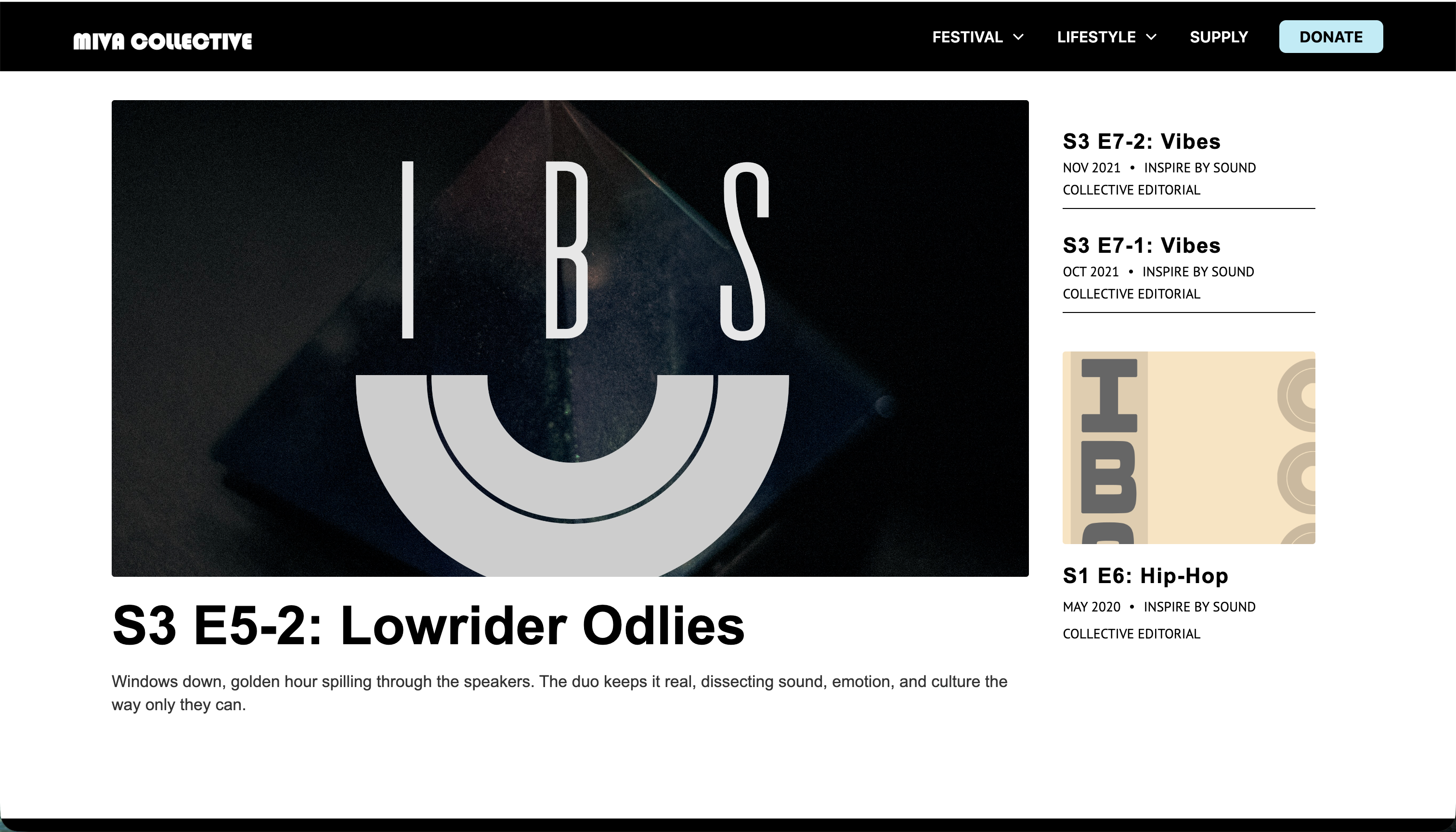
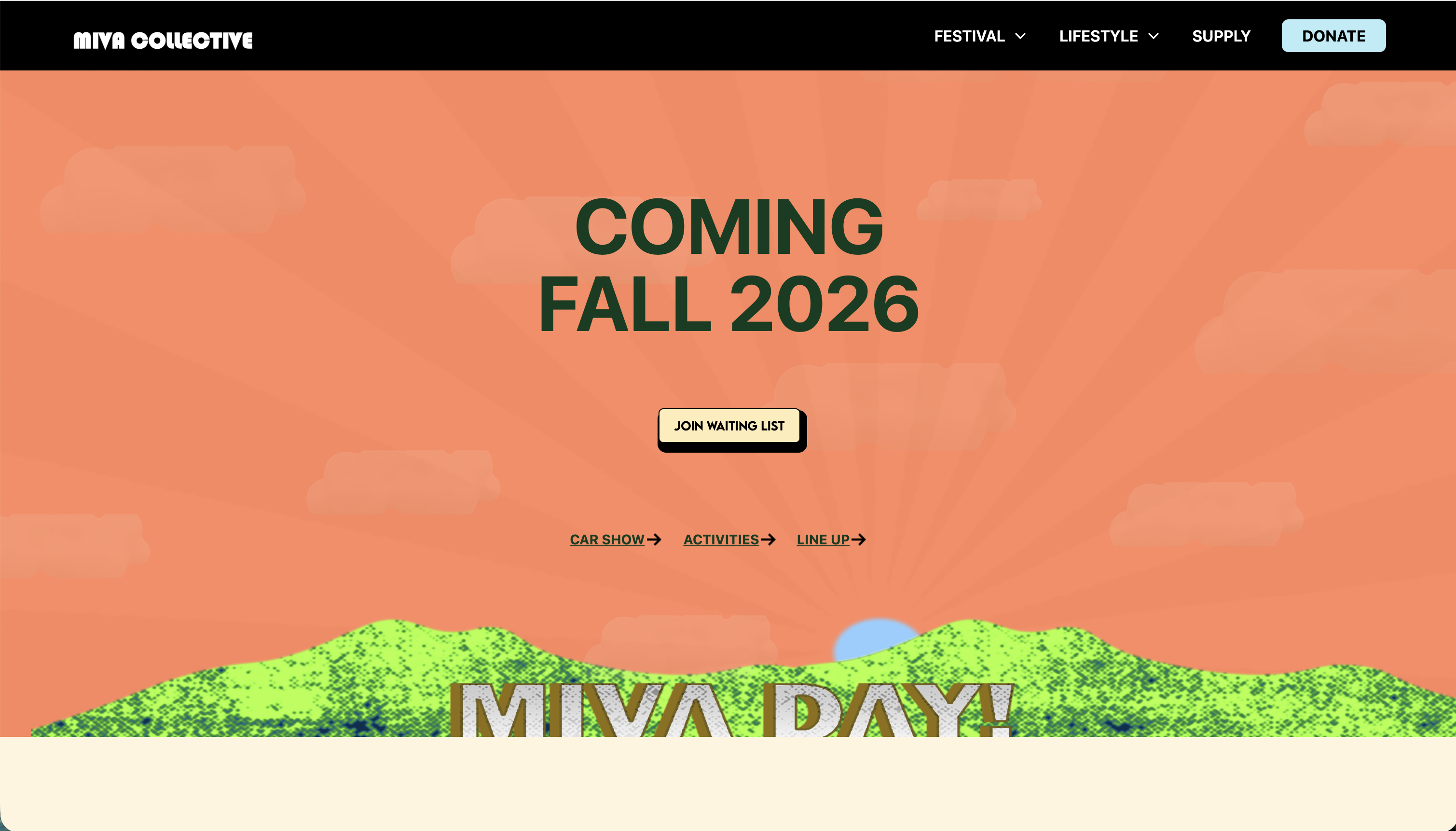
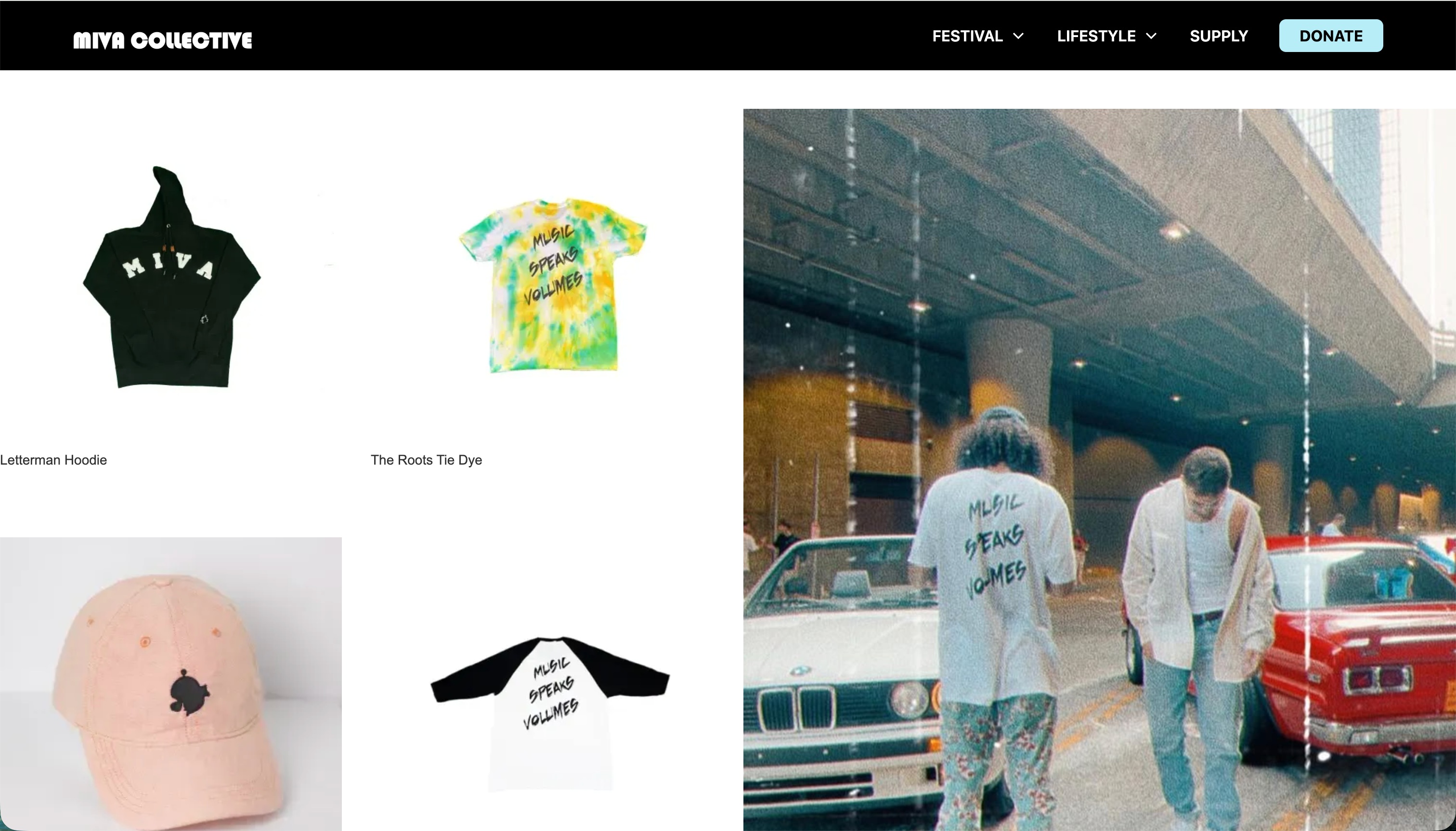
After: Unified platform with editorial hub, embedded podcast, festival experience, and integrated supply — all under one roof
Flexible Taxonomy
Challenge: Topics overlapped across categories (e.g., music + mental health) Solution: Primary categories + subcategories + tagging system that allows cross-category relationships, scalable CMS structure, and no need to restructure navigation.
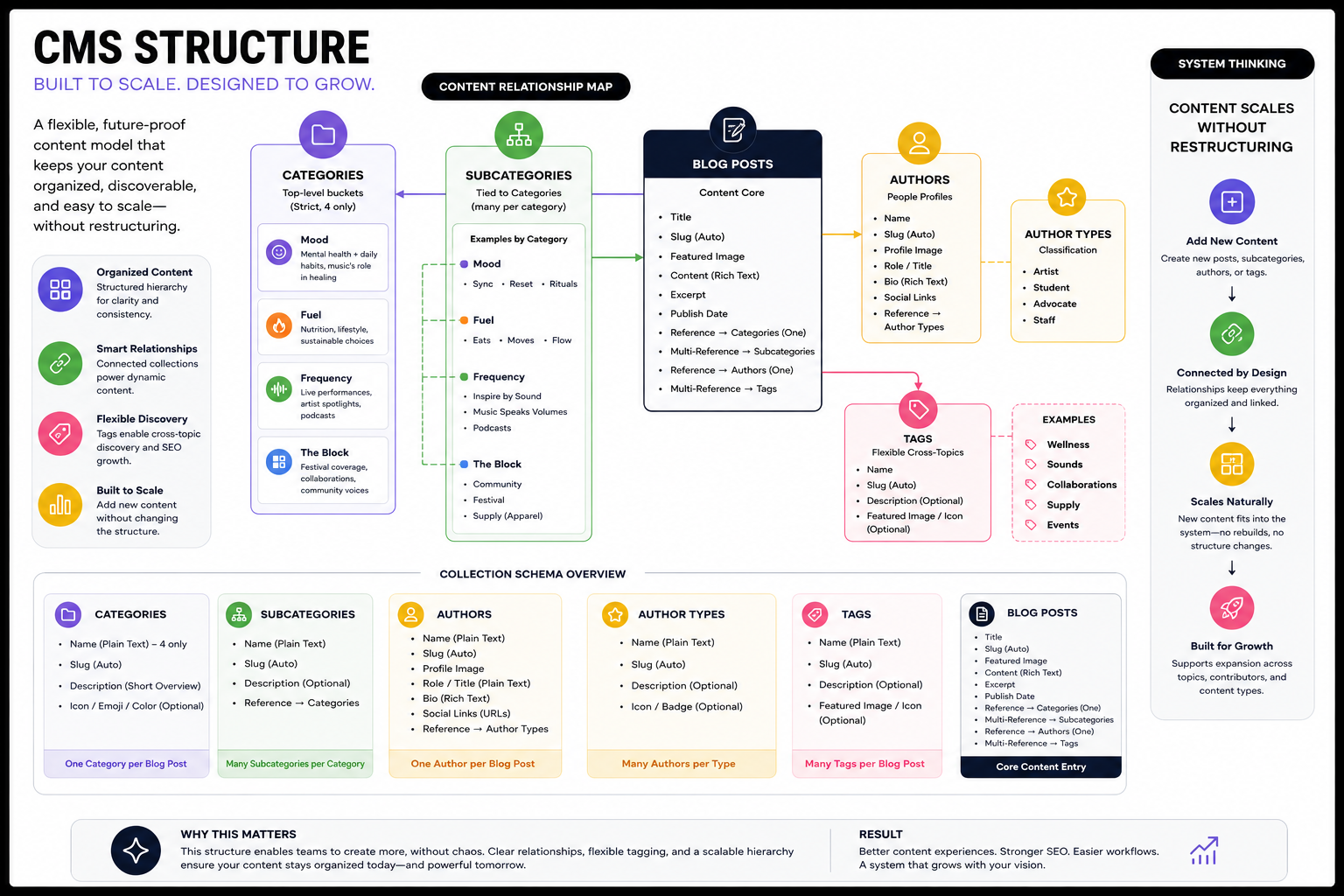
CMS structure: Built to scale, designed to grow — categories, subcategories, authors, tags, and blog posts mapped with flexible relationships
Reframing Mental Health
Instead of clinical entry points, the platform uses: • Music exploration • Short-form editorial • Playlists and storytelling Insight: Modern users engage more with culture-first wellness than traditional formats.
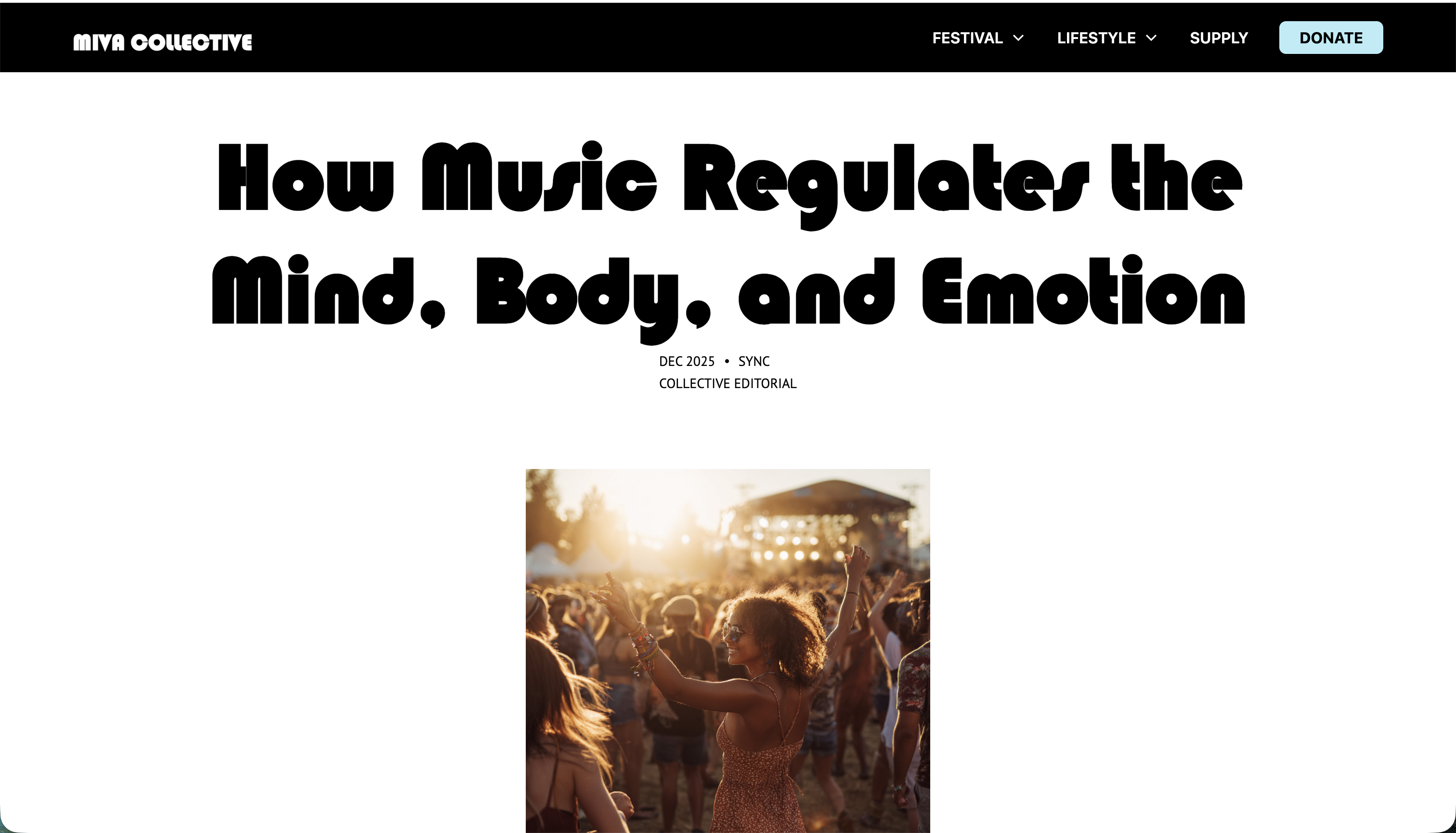
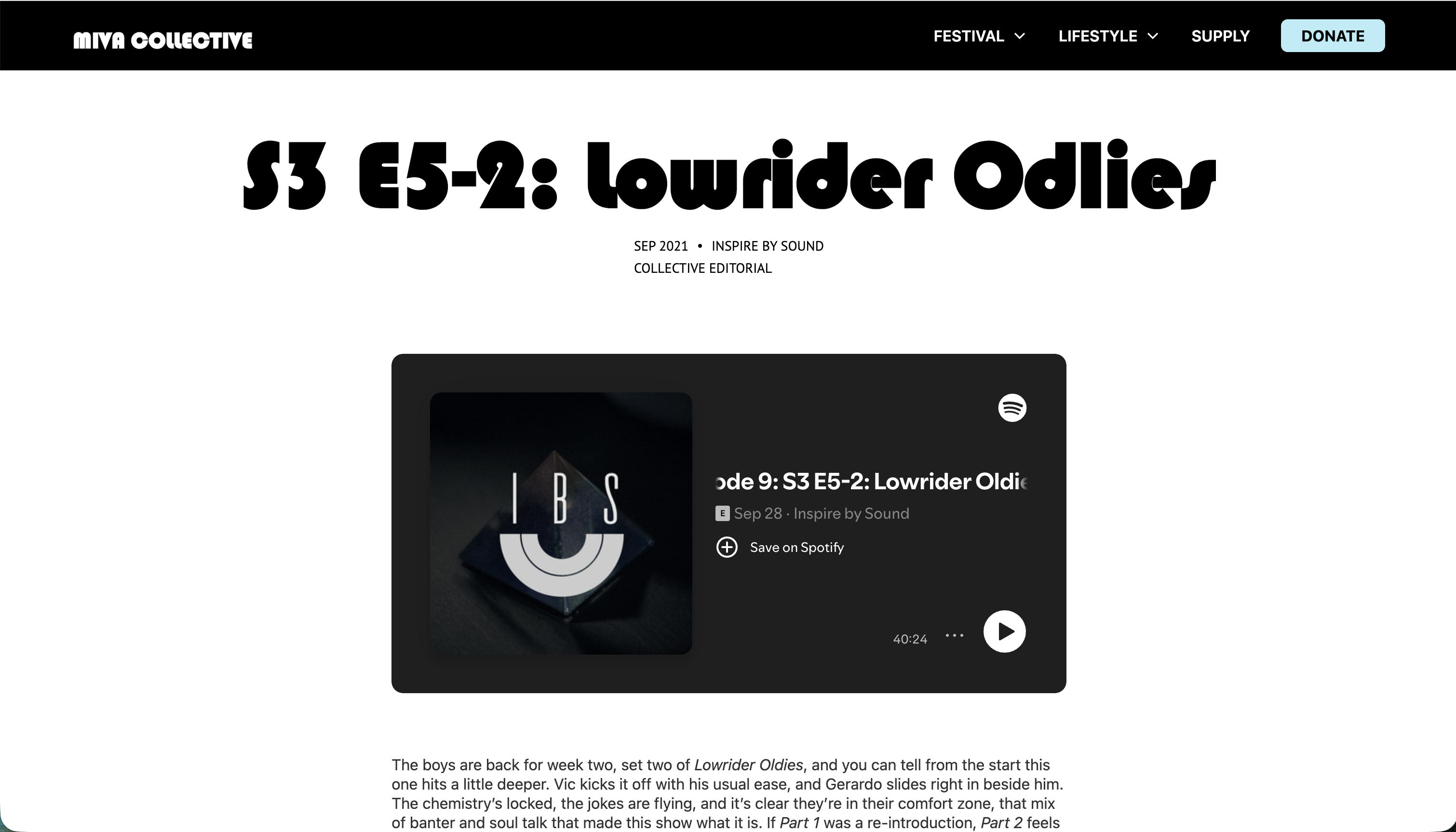
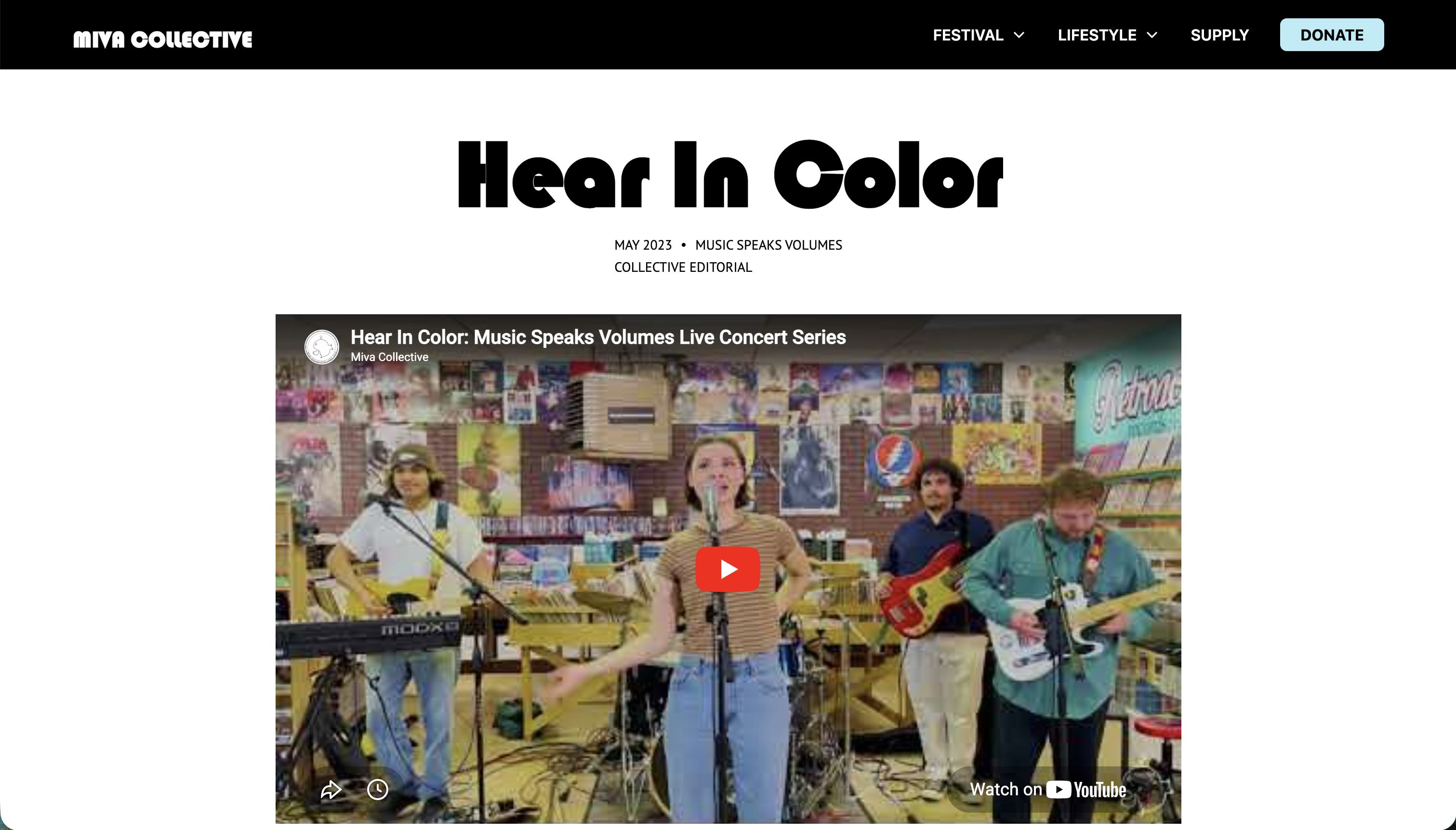
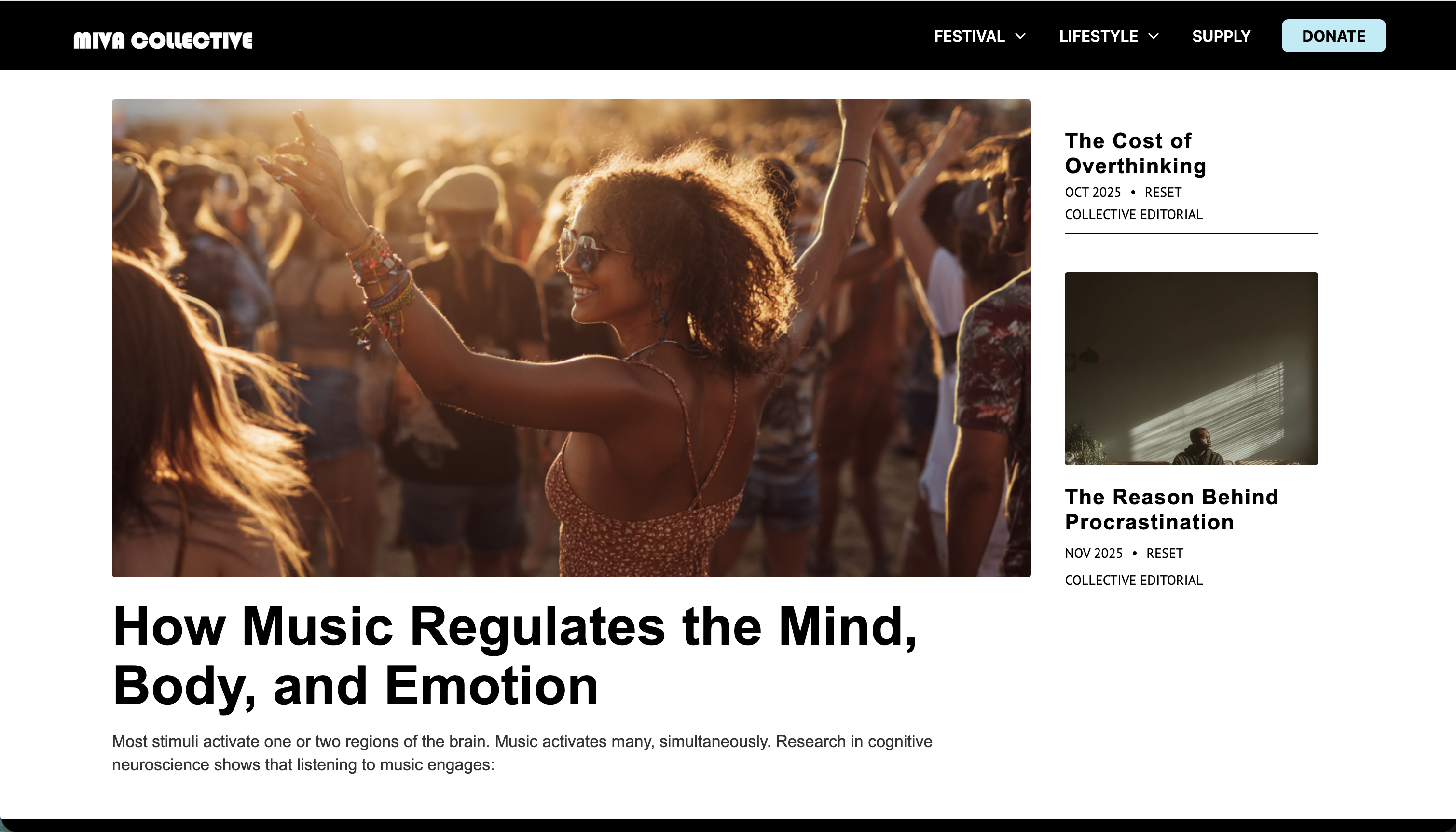
Content showcase: Article detail, embedded podcast episodes, YouTube video integration, and editorial hub with cross-linked content
What Didn't Work (Yet)
• Content pipeline limitations slowed growth • Inconsistent content quality remains a challenge • Project paused due to budget and content constraints Key insight: A strong system requires consistent content to sustain it.
Evolution
Initial direction: Multiple disconnected platforms representing different initiatives. Key realization: Users don't engage with ecosystems—they engage with entry points. Final principle: Start with value (content), then expand into experiences.
Results & Impact
Next Project
Wrenchie
Designing a Focused CRM for Auto Repair Shops